The Homeric conception of the ghostly soul in the Odyssey
Delphos Research Group. An analysis of the psyche and death in Homer’s work.
View documentAcademic Consultant | Bilingual Educator | Researcher (USP)
Dedicated to driving academic excellence and shaping global citizens through intercultural literacy and critical thinking development.
Combining a strong background in the Humanities with the management of innovative pedagogical projects, my strategic expertise includes:
With international research and publications, I leverage my academic background to design customized educational solutions that merge scientific rigor, pedagogical innovation, and tangible results for institutions and students alike.
Ready to elevate your educational project? Reach out for consulting, mentorship, and strategic partnerships.
— Photo Gallery
A window into my classroom, school projects, and the daily construction of knowledge.
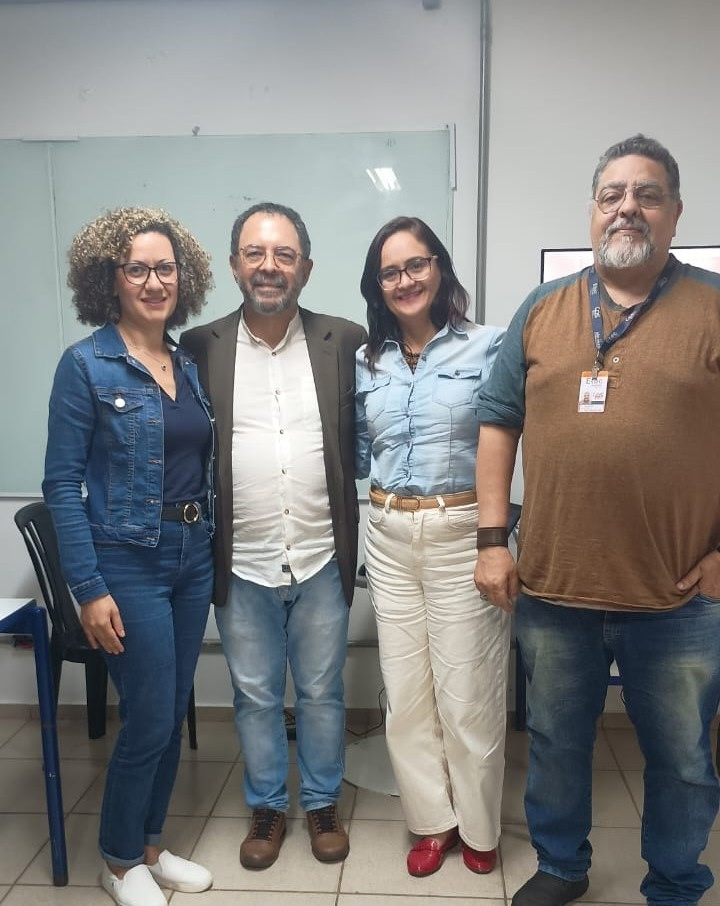
Lecture dedicated to the importance of behavioral skills (soft skills) in the corporate environment, highlighting their relationship with technical skills (hard skills), and arguing that while technical skills may secure entry into the job market, interpersonal competencies determine a professional’s success and growth within the organization.
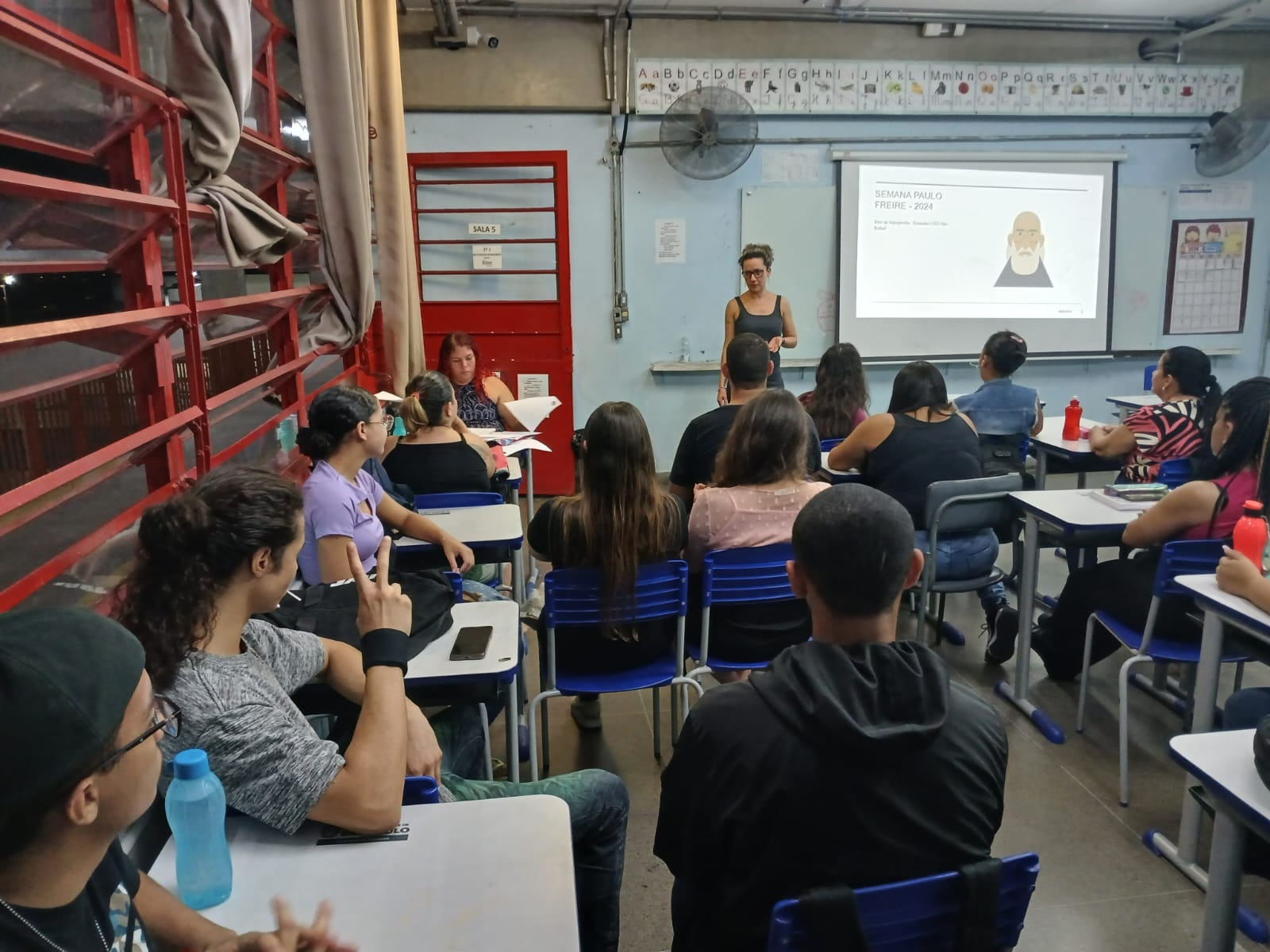
Presented at Paulo Freire Week at Etec Sapopemba, the lecture on active methodologies for the Human Resources technical course addressed the relationship between the educational model defended by Paulo Freire and contemporary learning practices, highlighting the relevance of active student participation in the formative process. Approaches such as project-based learning and gamification were emphasized, showing how they enhance engagement and strengthen the autonomy of future professionals.
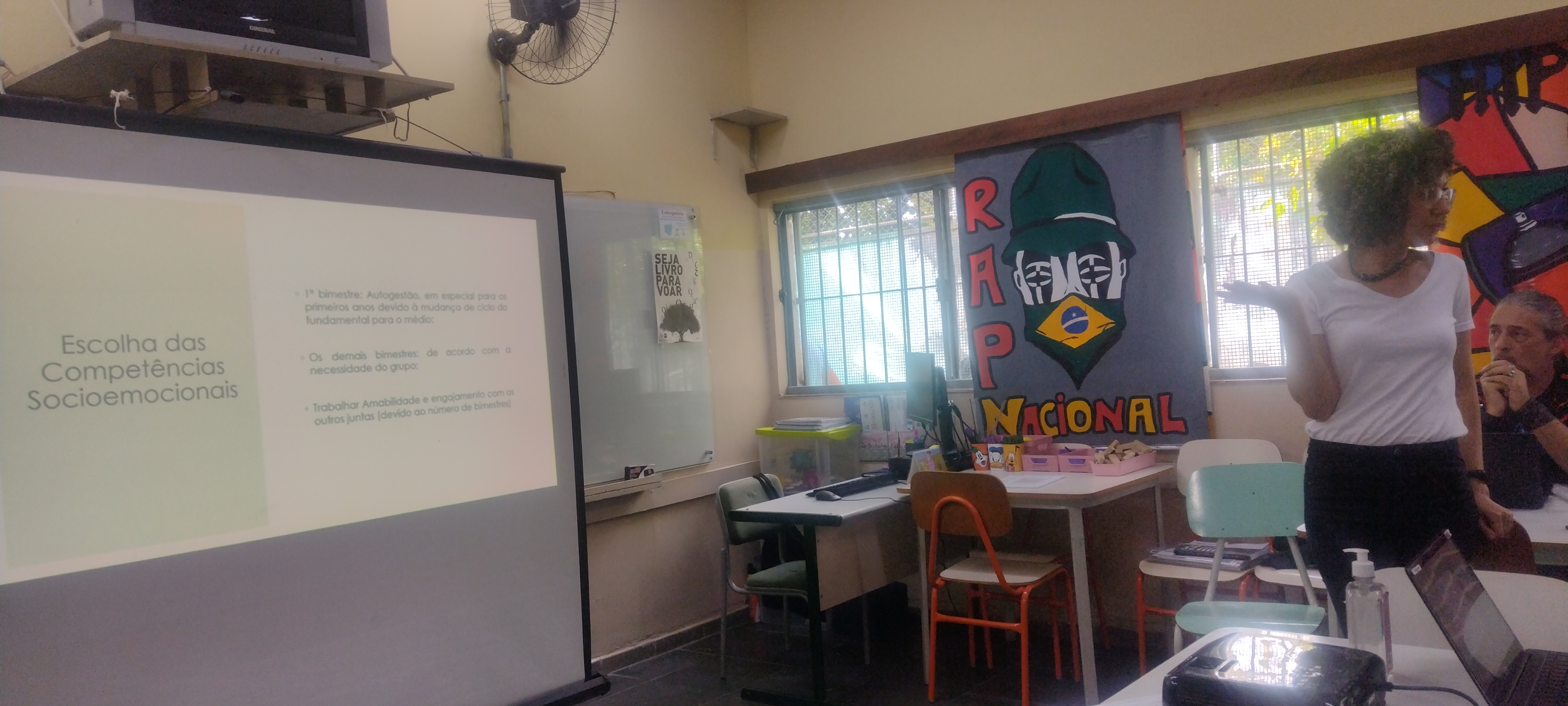
Teacher training within the Full-Time Education Program focused on student tutoring and mentoring according to the São Paulo Curriculum. The activity highlighted strategies for actively monitoring socio-emotional competencies throughout the school year, emphasizing practices that foster autonomy, responsibility, and youth protagonism.
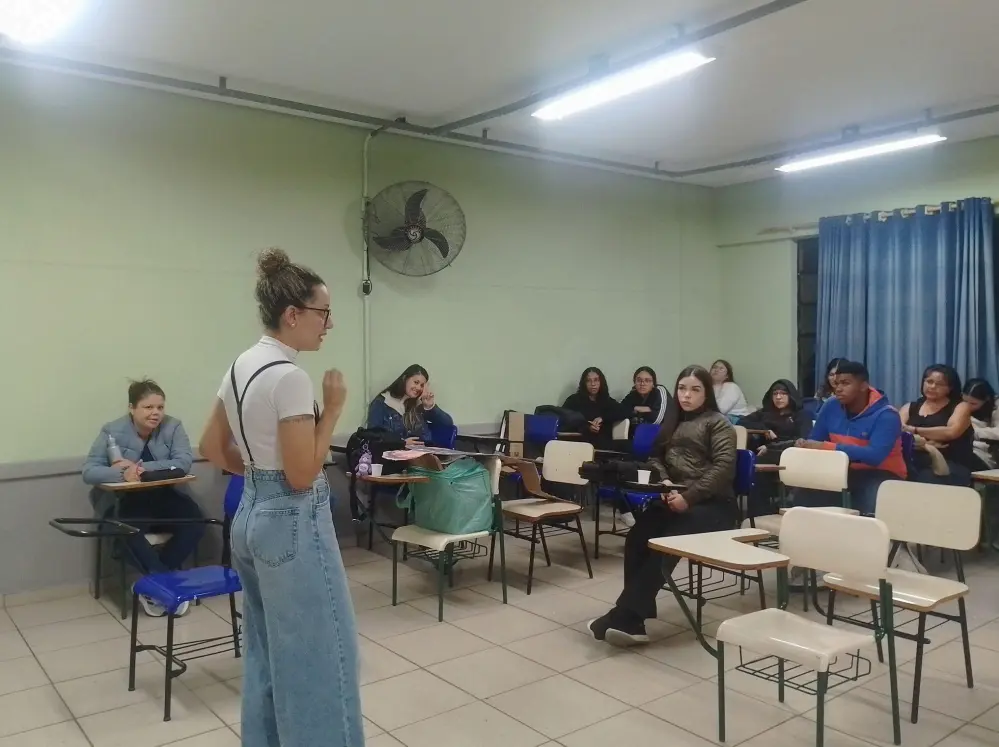
Lecture delivered to Administration technical students at Etec Sapopemba on the complexities of the current educational model and how it relates to the technocratic education agenda of the military dictatorship (1964–1985), aiming to raise students’ awareness of the emancipatory role of critical education.
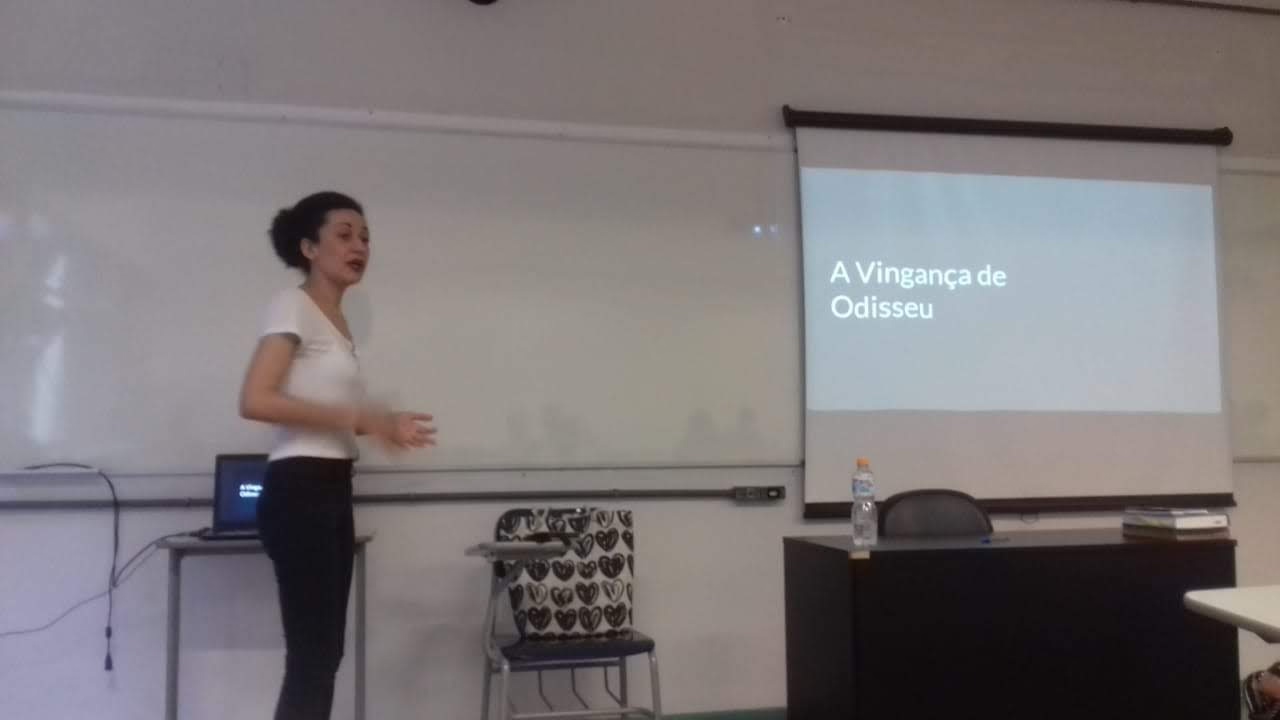
Mini-course taught to Humanities students at Universidade São Judas Tadeu addressing mythology’s educational proposal on the many aspects that shape human existence. The project proposed the theme “What can Mythology teach us about…”, allowing different topics across meetings. The first meeting focused on justice, highlighting the role of customs and religion in the moral formation process that culminates in constitutional legal models.
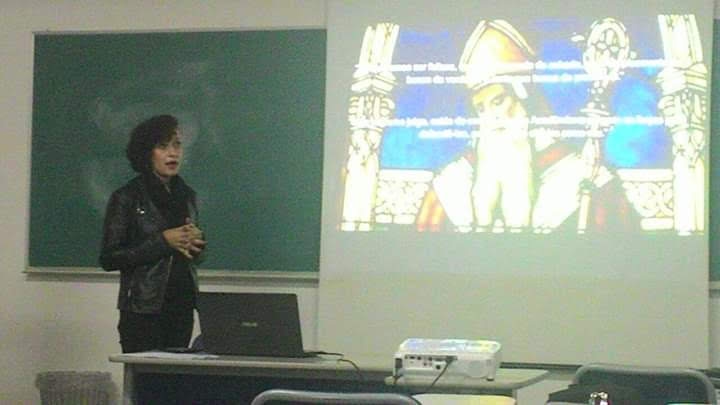
Mini-course taught to students of medieval philosophy in the Philosophy degree at Universidade São Judas Tadeu. It addressed Saint Augustine’s importance as a bridge between Ancient and Medieval Philosophy, as well as his rereading of the Sacred Scriptures to unite philosophical and religious thought in light of Plato, making him one of the precursors of Neoplatonism.
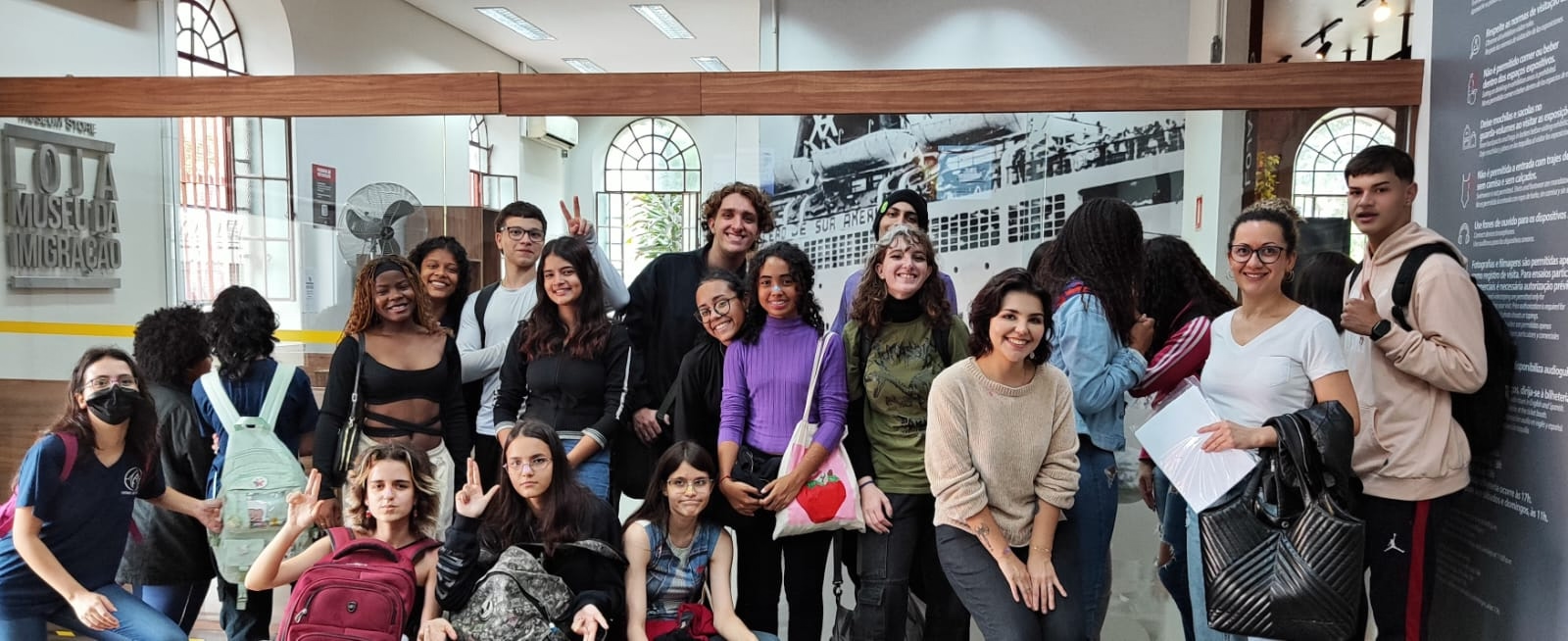
Visit by second-year high school students related to the History component, aiming to deepen the study of European migration to Brazil in the post-abolition period, contextualizing the marginalization of formerly enslaved people and the whitening project of the Brazilian population as a civilizing agenda in the Second Reign.
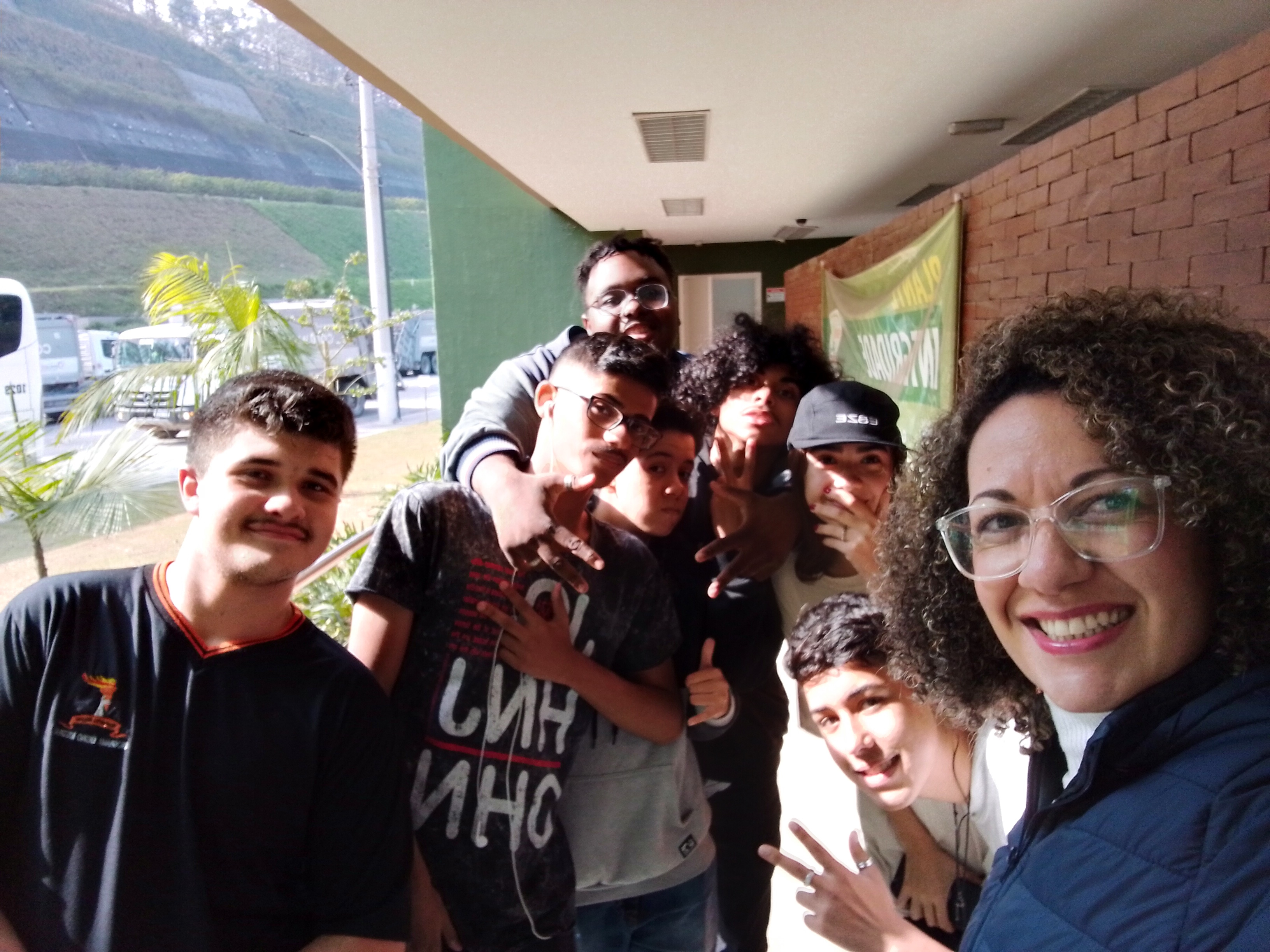
Visit by first- and second-year high school students to the landfill in São Mateus/SP as an interdisciplinary project among Philosophy, Sociology, History, Mathematics, and Biology, aiming to address global waste production from environmental and social perspectives and to show students the importance of environmental awareness for citizenship. Students developed interdisciplinary activities linking natural sciences and humanities, working with numbers and magnitudes, chemical processes and composting, the history of basic sanitation in Brazil, and the ethical applicability of actions favoring sustainable development.
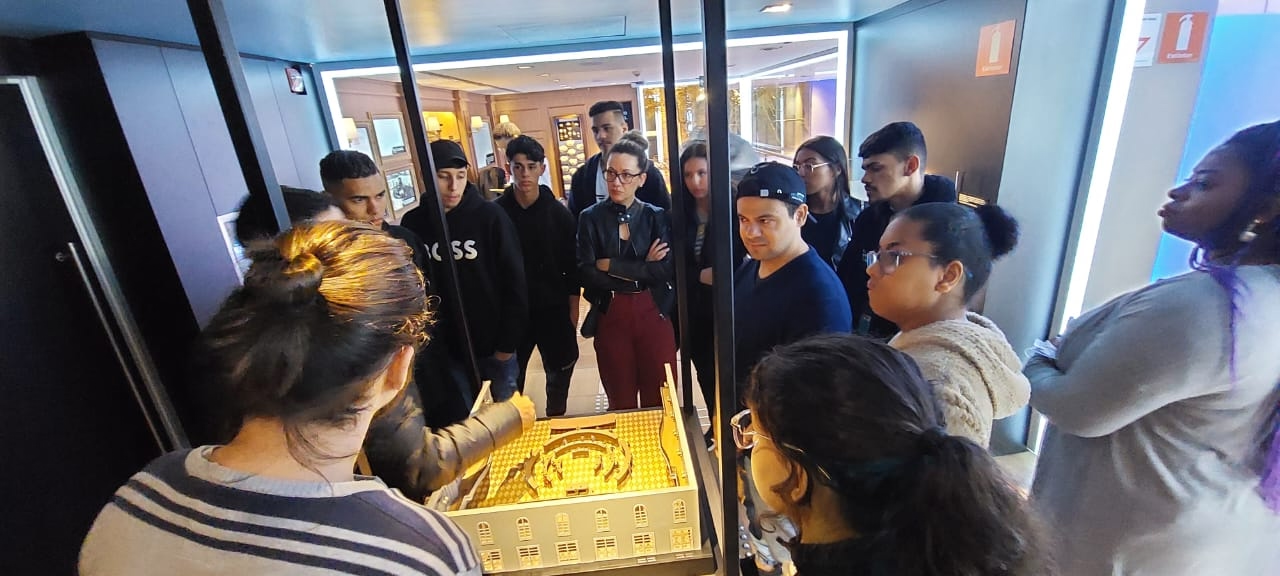
Visit by Administration technical students addressing economic history and financial market functions, connecting business management and economics. Students explored economic activity at both macro and micro levels, highlighting Brazil’s role in the commodities market and the internal processes of publicly traded companies.
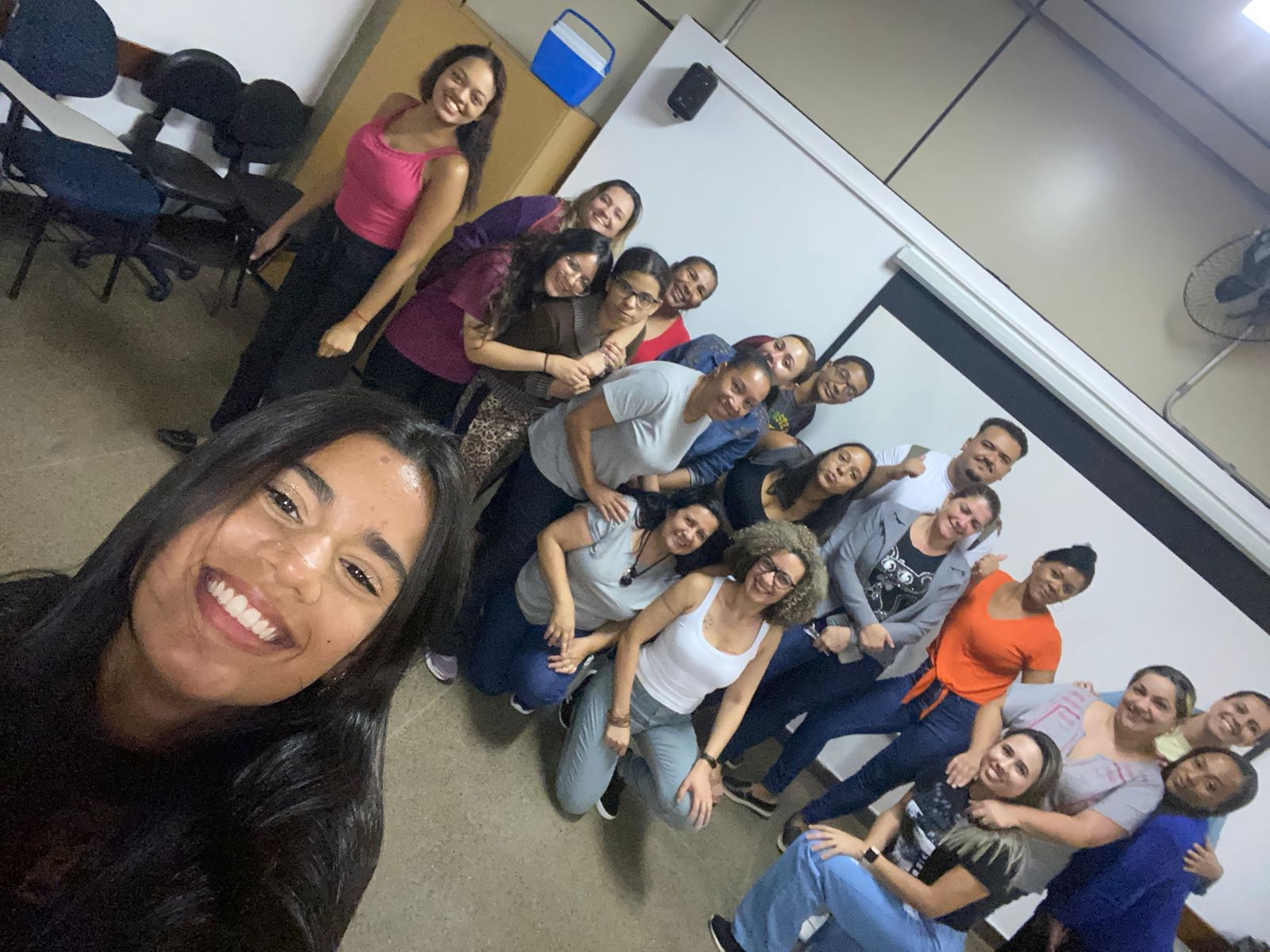
Project-based learning is an active methodology that places students at the center of the formative process, encouraging knowledge construction through solving real or simulated challenges. In the Positions and Salaries component of the Human Resources technical course, students acted as HR professionals. The activity consisted of creating, within a fictional company, job design and salary structure. Beyond technical elaboration, the project enabled understanding of organizational processes, teamwork, and tools used in corporate daily life.
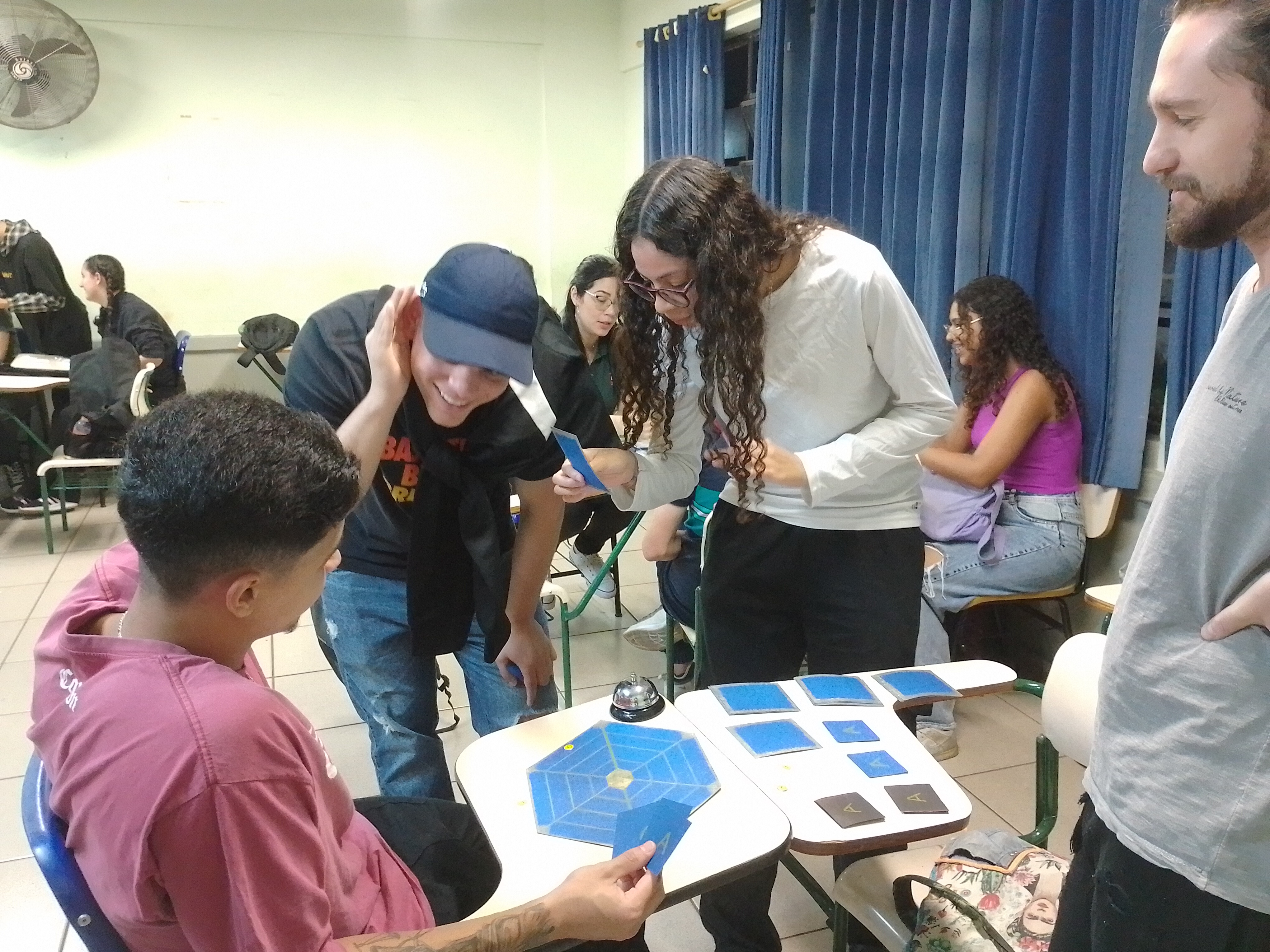
Gamification is an active methodology that uses game elements to enhance engagement and learning by turning academic content into playful challenges. In the Business Legislation component of the Administration technical course, students developed board games applying the concepts studied. Beyond theoretical understanding, the project-based activity fostered teamwork, project management, imagination, and creativity.
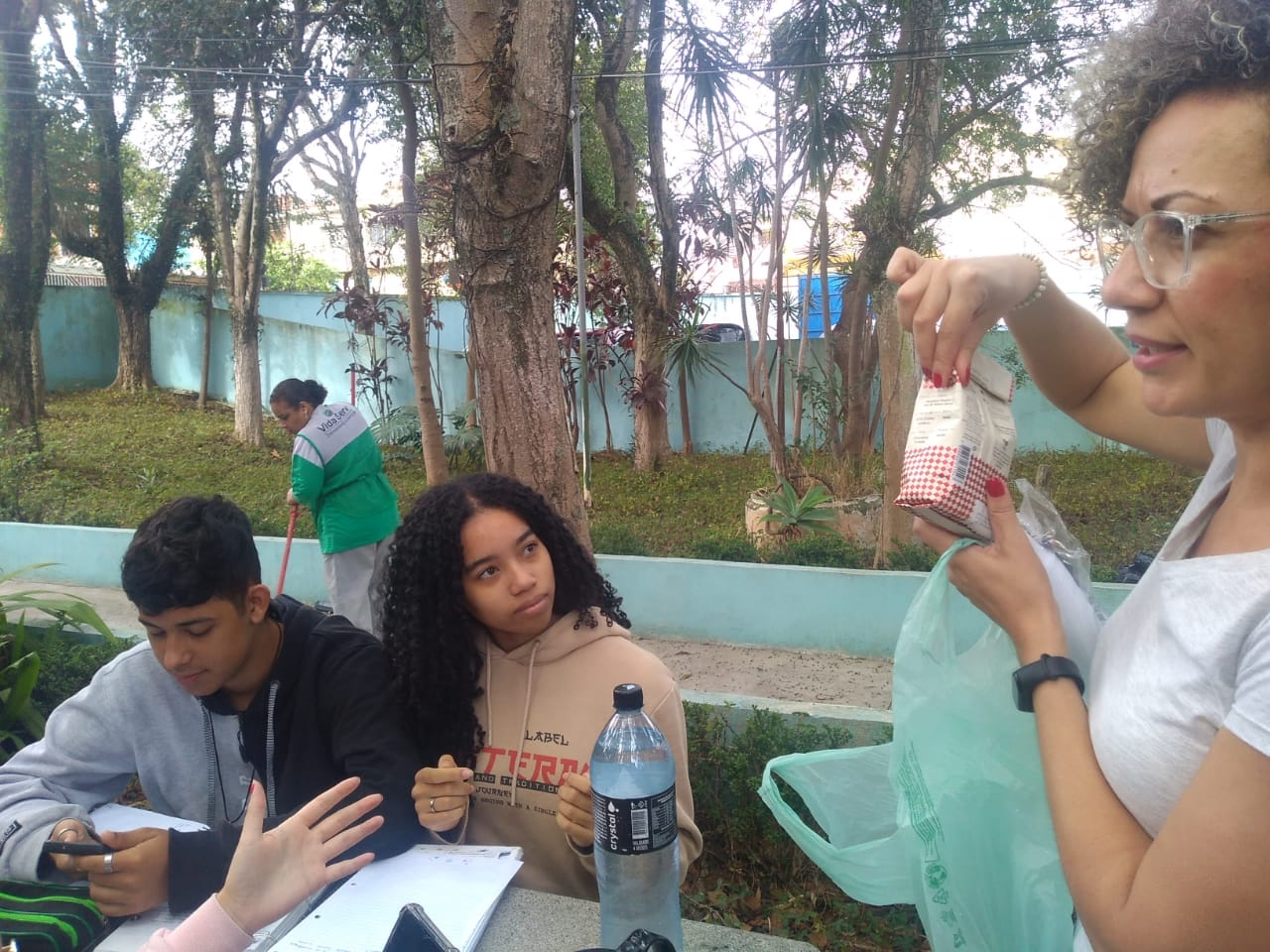
The World Café methodology promotes collective dialogue and critical reflection in learning environments, stimulating idea exchange in small groups and favoring shared knowledge construction. Applied in a coffee-economy class for second-year high school students in History, it connected historical content with concrete elements of everyday life. Students first received a theoretical overview of coffee in Brazil’s economic and social formation, then tasted coffee produced by an Italian family business established in Brazil since the 19th century. This practice reinforced understanding of European immigration and coffee culture’s impact on Brazilian society.
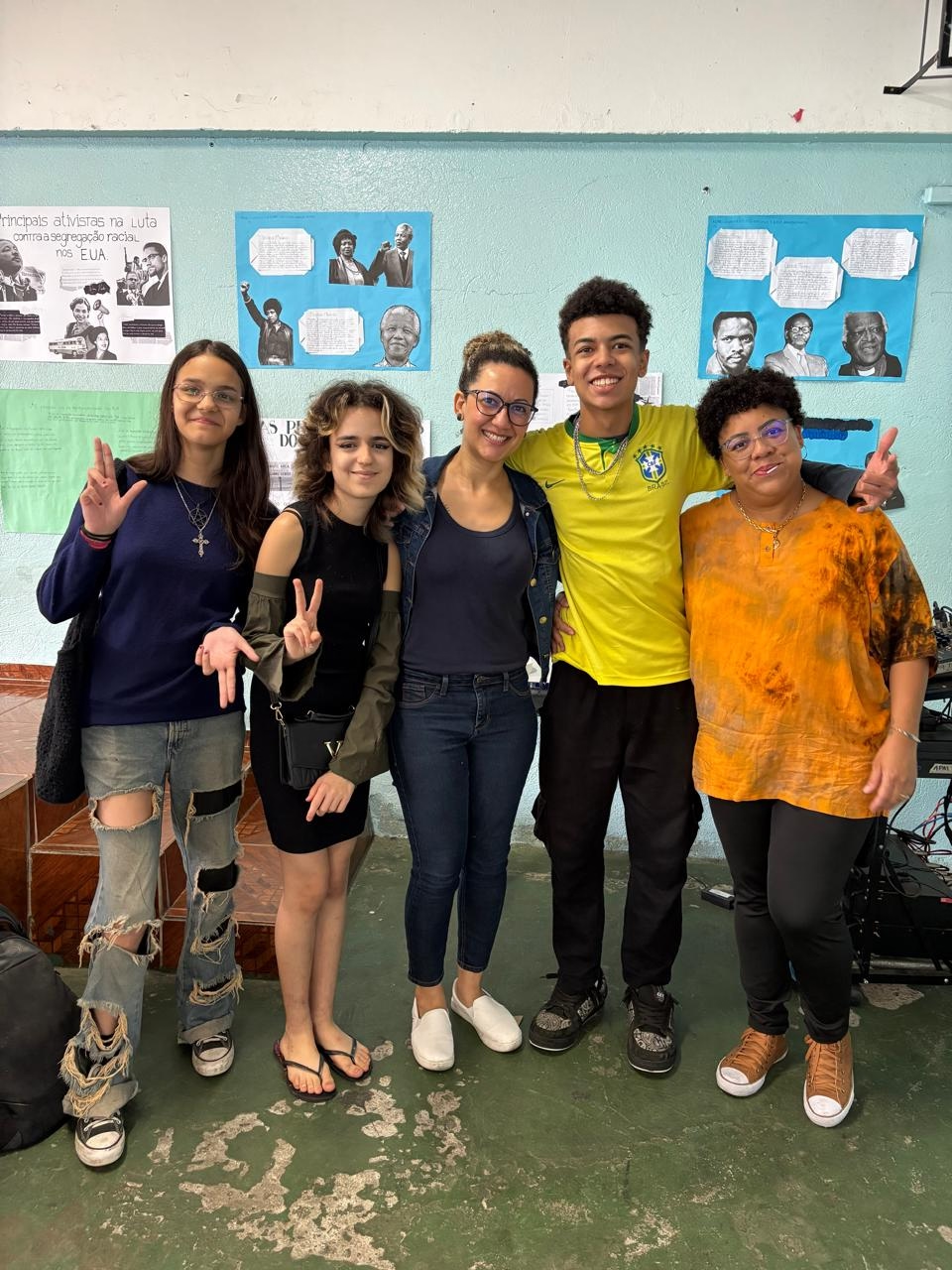
In Humanities and Languages, an interdisciplinary activity was developed to produce an exhibition celebrating Black Awareness Day. In History, students conducted bibliographic and documentary research on Black figures who stood out in the struggle for civil rights. From that survey, they created mind-map posters, practicing concept linking, information synthesis, and transforming knowledge into visual representations.
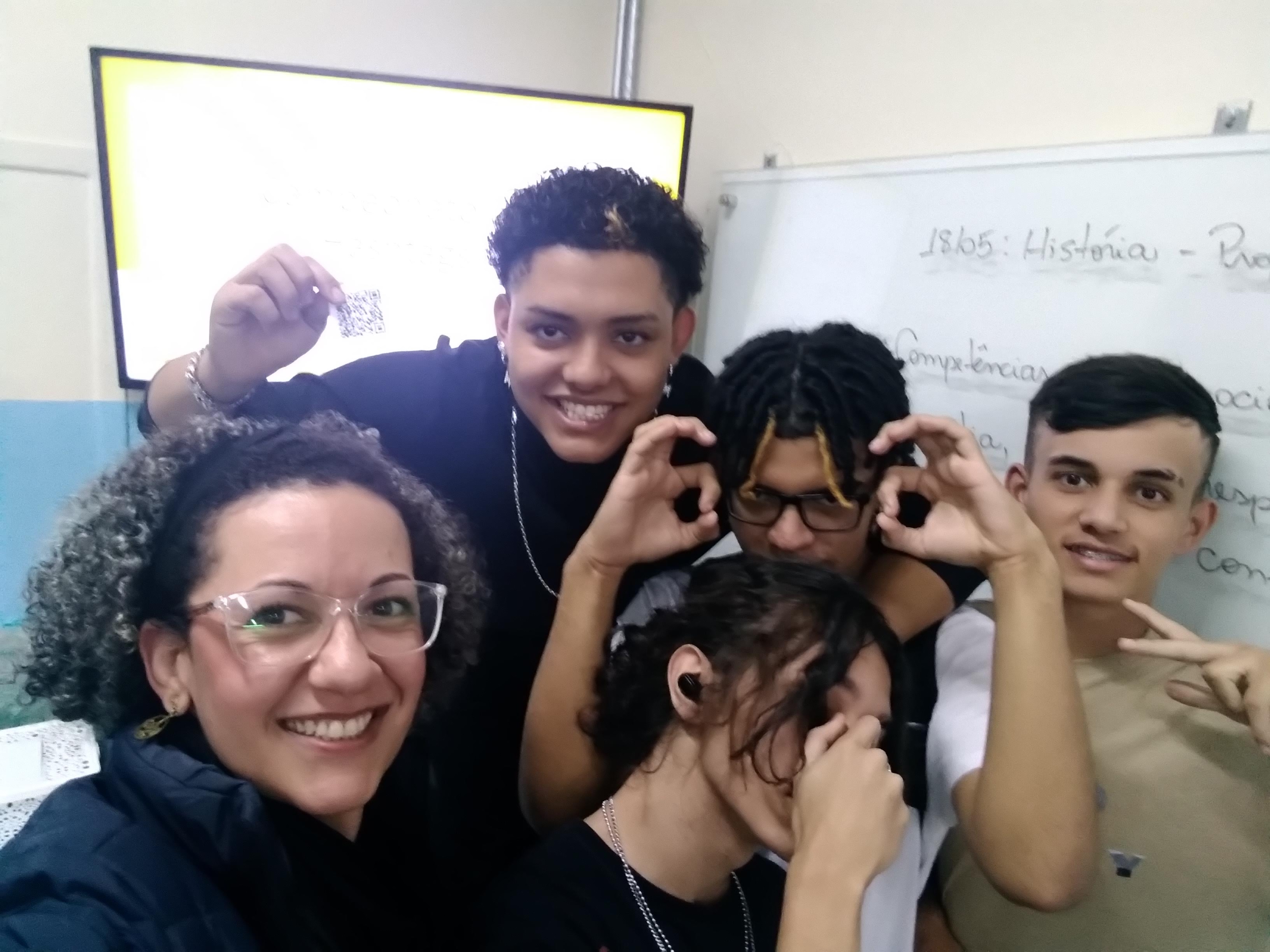
Focused on socio-emotional competencies—especially empathy—and improving interpersonal relations at school, the interdisciplinary anti-bullying project involved all students in the school unit. The activity included screening an episode of a police series depicting bullying among teenagers. Students then took part in a class grounded in Brazilian legislation, broadening understanding of the social and legal impacts of this conduct. Finally, an anti-bullying hashtag contest was held; students created original proposals voted on by the school community, and the winning hashtag was incorporated into the school’s institutional social media communication, strengthening collective engagement against bullying.
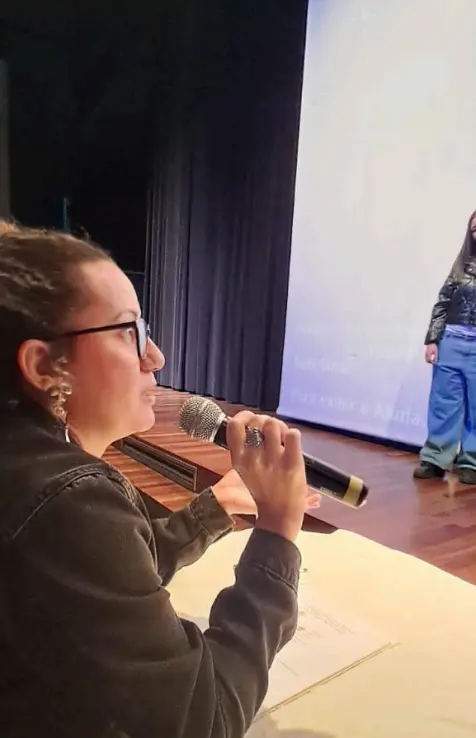
Serving as advisor and evaluator on Technical Course Completion Work panels, contributing to students’ academic development and ensuring the quality of the projects presented.
Graduates from the 1st semester of 2026.
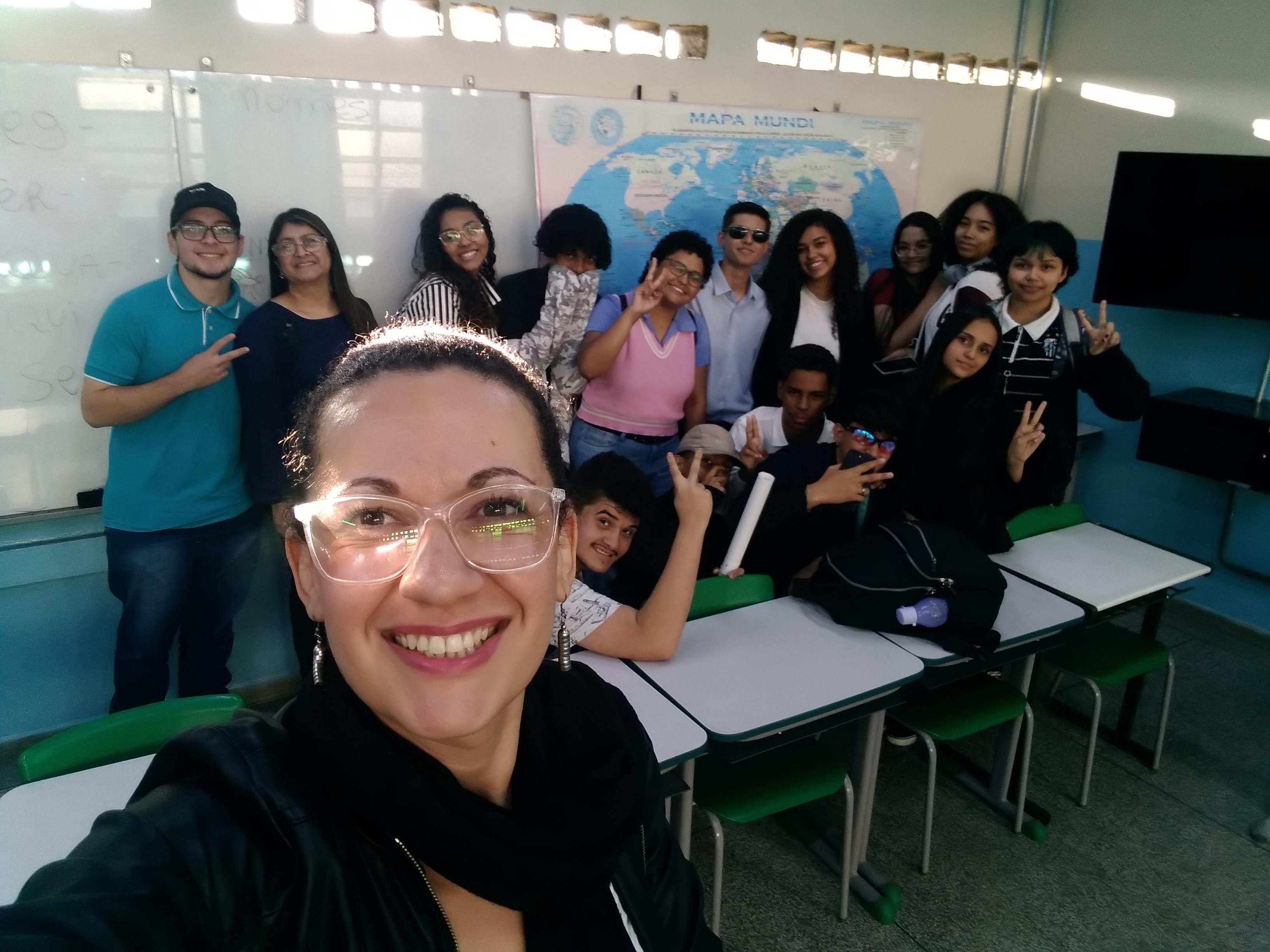
Project developed in an elective course bridging Humanities and Languages. Through project-based learning, students work in pairs and simulate UN meetings as delegations representing member countries. It includes theoretical classes on the historical context of the UN’s creation and existence, as well as geopolitically relevant themes such as wars, conflicts, and economic and social crises. Students actively debate while representing a country’s diplomatic stance. The project builds skills in research, public speaking, institutional procedures, legislation, and international law, and also develops socio-emotional competencies such as teamwork, engagement with others, self-management, and critical thinking.
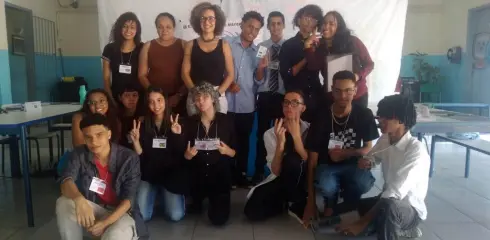
Project developed in an elective course with high school students from São Paulo’s public school network. Students actively took part in high-level diplomatic debates simulating UN meetings on the climate emergency.
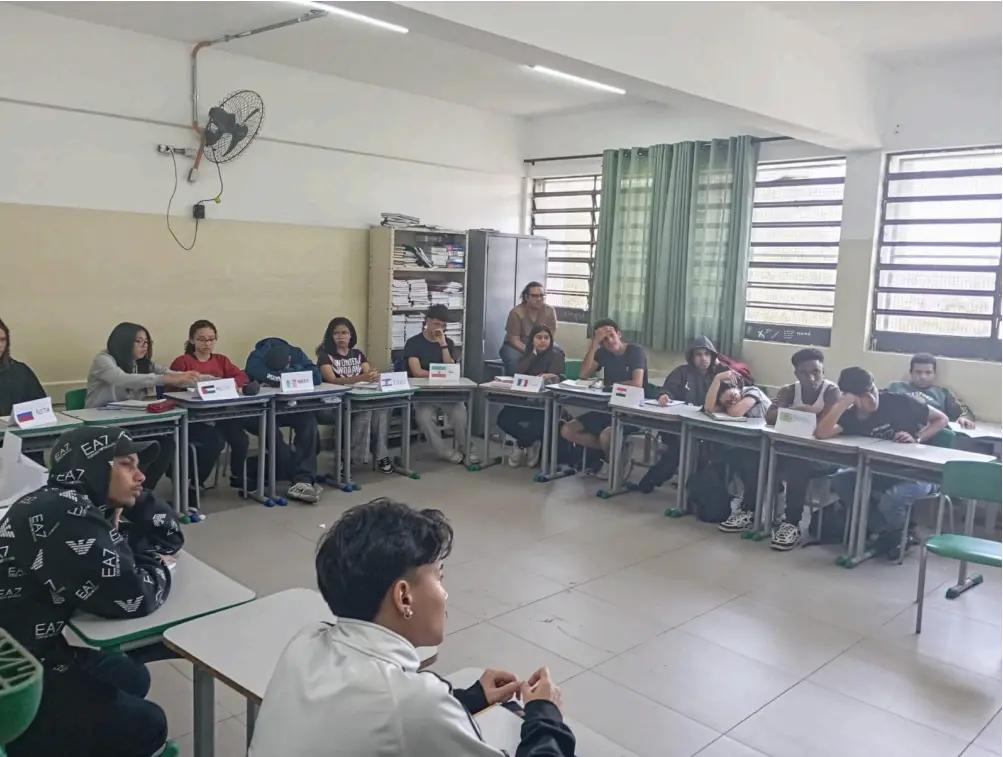
Project developed in an elective course with high school students from São Paulo’s public school network. Students actively took part in high-level diplomatic debates simulating UN meetings on the conflict between Israel and Palestine (2023–present).
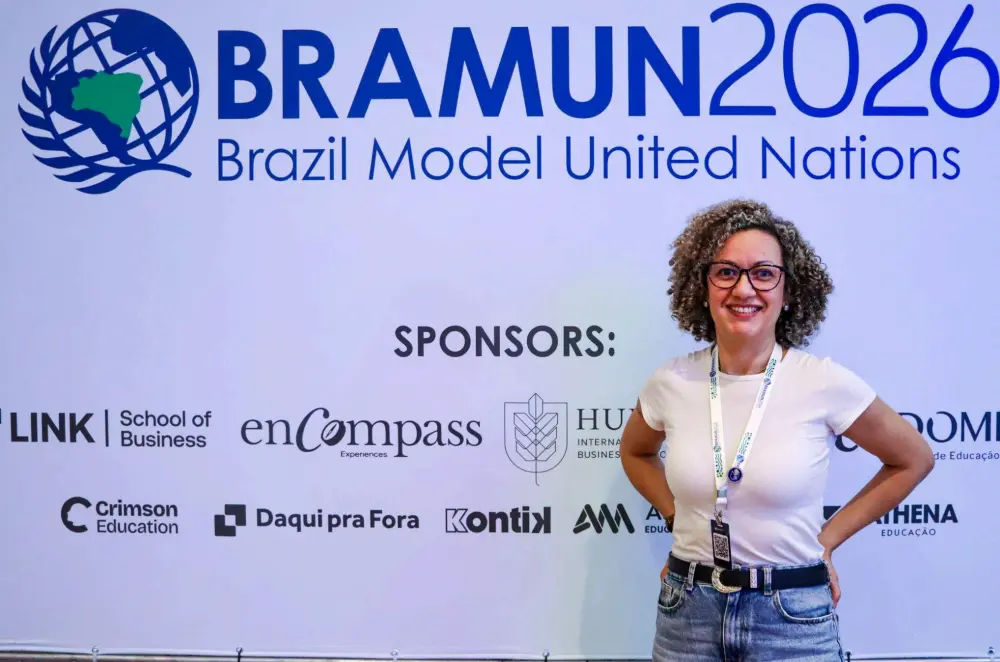
I served as a guest advisor in one of Brazil’s most prestigious international simulations, collaborating with educators from elite institutions in mentoring and supporting participating students in high-level geopolitical debates in Portuguese and English.
— Publications
Below are listed articles developed throughout my academic trajectory.
Tap a card to view the document fullscreen.
Delphos Research Group. An analysis of the psyche and death in Homer’s work.
View documentStudy on the ethics and values of Greek aristocracy present in the Platonic dialogue.
View documentExtended Abstract - UNESP. A discussion on divinity and conflict mediation.
View documentAn analysis of friendship and political relationships in Homeric epic.
View documentPresentation at São Judas Tadeu University Philosophy Week.
View document— What I offer
Personalized support for your academic and professional development.
Personalized support in the Humanities field and targeted preparation for the ENEM, entrance exams, and public service exams, focusing on consolidating knowledge and improving academic performance.
Specialized consulting for study organization, definition of learning methods, and schedule creation, ensuring greater efficiency and consistent results.
Practical guidance for young people seeking their first opportunity in the job market, including resume writing, preparation for selection processes, and development of interview skills.
Correction, review, and enhancement of academic works such as final papers (TCC), undergraduate research projects, and internship reports, ensuring quality, clarity, and methodological rigor in all deliverables.
Capacity-building programs focused on Humanities, socioemotional competencies, and active methodologies, offering formative experiences that integrate theory and practice and contribute to academic and professional development.
— Testimonials
What students and colleagues say about mentoring and pedagogical practice.
I am a former student of Professor Guta and was mentored by her. Besides giving me great support in my academic life, she was always very caring and willing to help me. Thanks to her, I had the opportunity to compete for a scholarship to participate in BRAMUN, a renowned UN simulation, where I gained a broader view of geopolitics, met many international people, and saw how simulations really work. Guta is also an excellent professional — her classes are great, and her mentoring even more so!
I had the privilege of working directly with Professor Guta and can say with complete certainty: she is an outstanding professional. Her dedication to students is inspiring! She has admirable patience and a unique ability to engage the class through projects and active methodologies, turning complex content into something dynamic and practical. Anyone who has the chance to receive her mentoring and consulting for the ENEM and entrance exams will be in extremely qualified hands. I highly recommend her!
— Contact
Get in touch if you want to invest in your development, broaden your perspectives, and achieve new goals. Take the next step toward personal and academic growth.
